


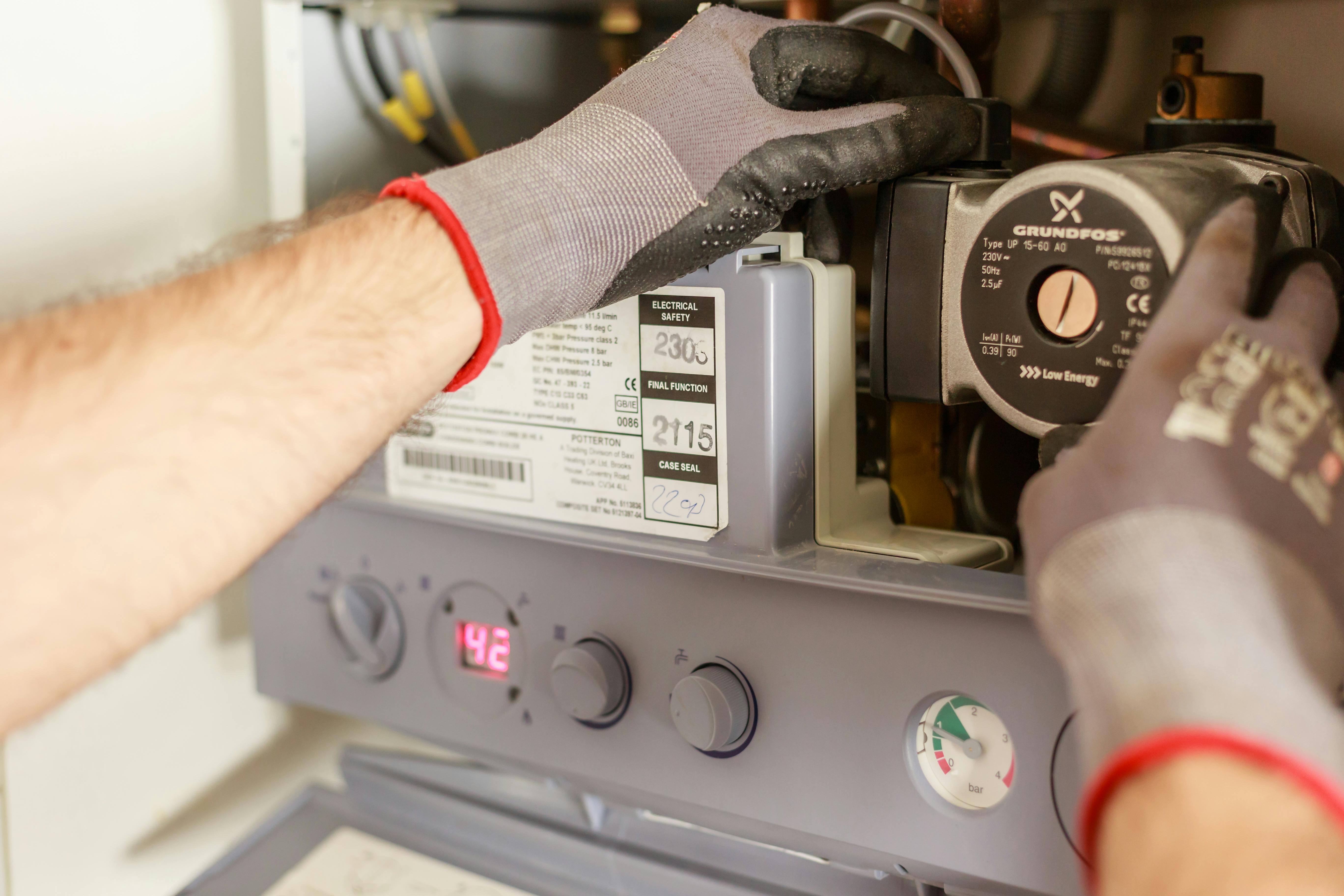
Your hot water’s gone cold, and it’s not the first time. You’re sick of unexpected freezing showers, but you’re not sure your system is old enough to replace completely. Should you repair and hope for the best, or replace it and move on?
The answer depends on your system, how old it is and what the main fault is. This guide walks you through exactly how to tell what your system needs, what each option costs, and when it’s time to call in a professional.
Quick Answers
- Repair makes sense if your system is under 10 years old, the fault is minor (thermostat, element, pressure relief valve), and there’s no sign of tank corrosion or persistent leaks.
- Replacement is usually the smarter move if your system is over 10 years old, has failed multiple times, or the repair cost exceeds 50% of what a new unit would cost.
- In South Australia, replacing an old electric storage system means you’ll need to upgrade to a low-emission alternative: gas (5-star+), solar, or a heat pump.
- STCs (Small-scale Technology Certificates) can reduce upfront costs on eligible solar and heat pump systems.
- If you’re not sure which way to go, an inspection from a licensed plumber is always worth it before committing either way.
How Long Should a Hot Water System Last?
In most Australian homes, the average lifespan of a hot water system is 8 to 20 years. The type of system you have generally determines how long it will last:
- Electric or gas storage tanks: typically 8–12 years
- Continuous flow (instantaneous) systems: often 15–20 years, sometimes longer
- Solar systems: a properly serviced solar hot water system can last 15 to 20 years, according to Australia’s Clean Energy Council
- Heat pumps: a well-maintained heat pump system averages 10 to 15 years, based on research from the Sustainable Energy Authority Victoria
So if your storage system is sitting at the 9 or 10-year mark and starts playing up, the age alone is telling you something.
Adelaide’s hard water can shorten your unit’s lifespan, so regular servicing and flushing are key to keeping it running efficiently.
Hot Water System Repair in Adelaide: When It Makes Sense
Hot water system repair in Adelaide is the right call when the problem is isolated, and the system still has years of life in it. Most common faults are actually straightforward to fix.
Faults that are typically worth repairing:
- Failed heating element. One of the most common issues in electric systems. A replacement element is relatively affordable and restores full function.
- Faulty thermostat. If your water’s scalding hot or barely warm, a thermostat replacement often solves the problem quickly.
- Worn pressure relief (TPR) valve. A dripping relief valve is a safety issue that needs attention, but it’s a minor repair.
- Pilot light or ignition faults. Gas systems can lose their pilot light. In many cases, relighting or replacing the igniter is all that’s needed.
- Sediment buildup. Flushing the tank removes mineral deposits that cause noise and reduced efficiency. This is a standard maintenance job.
- Anode rod replacement. The anode rod sacrifices itself to protect the steel tank from corrosion and typically needs to be inspected every 2–3 years and replaced every 3–5 years. Replacing it before the tank corrodes can add years to your system’s life.
The 50% rule is a handy guide: if the repair quote is more than half the cost of a comparable new system, replacement starts to make more financial sense, especially if the system is already ageing.
Hot Water Replacement in Adelaide: When It’s Better to Start New
Sometimes, hot water replacement in Adelaide is simply the smarter long-term decision. The signs are usually pretty clear.
Replace your system if:
- It’s over 10 years old and has broken down more than once in the past couple of years
- There’s visible rust, corrosion, or persistent leaking from the tank itself (not just a fitting)
- Your energy bills have crept up without explanation
- The system struggles to meet your household’s demand even when functioning normally
- The repair cost exceeds 50% of a new unit
A tank that’s leaking or corroding from the inside can’t be fixed. And if you’re calling out a plumber for the same fault every 12 months, the cumulative repair costs will outpace a replacement faster than you’d expect.
SA Regulations: What You Need to Know Before Replacing
Rules relating to domestic water heater installations have been in place in South Australia since July 2008 to help lower household energy use and greenhouse gas emissions.
Any new hot water replacement or installation in Adelaide must use a low-emission hot water heater with a minimum 5-star energy rating, such as a gas storage or gas instantaneous, solar-powered, or electric heat pump system.
What this means practically:
- If your current system is a standard electric storage unit and it fails beyond repair, you can’t simply swap it like-for-like in most cases
- You’ll need to upgrade to gas (5-star+), solar, or a heat pump
- Only licensed or registered plumbers can install water heaters, and your plumber must provide you with a Certificate of Compliance (eCOC) for the completed work
- Eligible solar or electric heat pump water heaters are entitled to Small-scale Technology Certificates (STCs), which can assist with purchase costs
The STCs effectively reduce the upfront price of solar and heat pump systems. Ask your plumber about what you’re eligible for at the time of installation.
If your system involves gas, you’ll also need a licensed gas fitter in Adelaide to carry out any gas connections or replacements. It’s not a job for a general handyperson.
Repair vs Replacement: A Cost Comparison
Rough figures for Adelaide in 2026:
| Job | Typical Cost Range |
|---|---|
| Heating element replacement | $200 – $450 |
| Thermostat replacement | $150 – $350 |
| TPR valve replacement | $150 – $300 |
| Anode rod replacement | $200 – $400 |
| New gas storage system (supply + install) | $1,200 – $2,500 |
| New heat pump system (supply + install) | $2,500 – $4,500 |
| New solar system (supply + install) | $3,000 – $6,000+ |
Note: Costs vary by brand, system size, installation complexity, and whether gas line or electrical work is involved. Always get a fixed-price quote before committing.
Most hot water replacements in Adelaide range from $1,200 through to $3,500 for a standard installation including supply. Higher-end solar or heat pump systems cost more upfront but significantly reduce ongoing running costs.
When to Call a Professional
Some hot water problems are DIY-friendly (such as relighting a pilot light). Most aren’t. Call an emergency plumber in Adelaide right away if you notice:
- Water pooling around the base of the tank
- Discoloured or rusty water
- No hot water at all
- Hissing, popping, or banging sounds
- The relief valve is constantly dripping
- Any smell of gas near your hot water unit
If you’re in a newer suburb or have recently had plumbing work done, it’s also worth a quick check with a local plumber in Mawson Lakes or your nearest service area, particularly heading into winter when demand on your system increases. For more on preventing bigger issues before they happen, our guide on how to prevent costly plumbing emergencies in winter is worth a read.
Not Sure Which Way to Go? Let’s Have a Look
The team at Mr Plumb Co works with Adelaide homeowners every day on exactly this question. We’ll give you an honest assessment (repair if that makes sense, replacement advice if it’s time to upgrade), and we’ll walk you through your options for systems, brands, and rebates you might be eligible for.
Call us or get in touch to book an inspection.
Need a plumber in Adelaide? We're available 24/7.
Call 0411 379 018